Discover sustainable living by decorating your home with eco-friendly items as a significant step towards a greener lifestyle. The choices we make in our everyday life, including how we furnish and decorate our living spaces, can have a substantial impact on the environment. This article will explore practical tips for decorating your home sustainably, emphasizing the benefits of using secondhand items and the importance of mindful consumption.
The Importance of Sustainable Living
The traditional home decor market is often associated with mass-produced items that require extensive resources to manufacture and transport. These products frequently end up in landfills after a few years, contributing to environmental pollution. Sustainable home decoration, on the other hand, focuses on reducing waste, saving energy, and supporting eco-friendly practices.
Benefits of Sustainable Home Decoration
- Reduced Carbon Footprint: By opting for eco-friendly and secondhand items, you help minimize the carbon emissions associated with production and transportation.
- Waste Reduction: Reusing and upcycling items prevents them from ending up in landfills.
- Support for Ethical Brands: Purchasing from companies that prioritize sustainability supports ethical practices and encourages more businesses to adopt similar models.
- Cost-Effective: Secondhand and upcycled items are often more affordable than new ones, allowing you to save money while making environmentally conscious choices.
- Unique Aesthetic: Sustainable decor often includes unique, one-of-a-kind pieces that add character and individuality to your home.
Practical Tips for Sustainable Home Decoration
1. Declutter and Mindful Consumption
Start your journey toward a sustainable home by decluttering. Remove items that you no longer need or use, and consider donating them or selling them on platforms like Karrot. Decluttering not only creates a more organized space but also helps you identify what you truly need, reducing the urge to purchase unnecessary items.
2. Secondhand Shopping
Secondhand shopping is a cornerstone of sustainable living. Platforms like Karrot offer a convenient and sustainable way to purchase pre-loved items. Here are some tips for effective secondhand shopping:
- Know What You Need: Make a list of items you need before shopping to avoid impulse purchases.
- Check for Quality: Ensure that the items are in good condition and can serve their purpose well.
- Be Open-Minded: Sometimes, secondhand shopping requires a bit of creativity. Be open to repurposing items.
3. Upcycling and DIY Projects
Upcycling involves transforming old items into something new and useful. This can be a fun and creative way to decorate sustainably. For example:
- Furniture Makeovers: Give old furniture a new lease on life with a fresh coat of paint or new upholstery.
- Repurpose Household Items: Use mason jars as planters or storage containers, or turn old ladders into stylish shelving units.
- DIY Decor: Create your own decorations using natural or recycled materials. This could include making wreaths from twigs and leaves or crafting wall art from reclaimed wood.
4. Choose Sustainable Materials
When purchasing new items, opt for those made from sustainable materials. Some eco-friendly options include:
- Bamboo: A fast-growing, renewable resource that is often used for furniture and flooring.
- Recycled Materials: Look for products made from recycled glass, metal, or plastic.
- Natural Fibers: Choose textiles made from organic cotton, hemp, or linen.
- Certified Wood: Ensure that any wood products come from responsibly managed forests.
5. Energy-Efficient Lighting and Appliances
Lighting and appliances can significantly impact your home’s energy consumption. Opt for energy-efficient options to reduce your carbon footprint:
- LED Lighting: LED bulbs use less energy and last longer than traditional incandescent bulbs.
- Energy Star Appliances: Look for the Energy Star label when purchasing new appliances, as these products meet strict energy efficiency guidelines.
- Natural Light: Make the most of natural light by keeping windows clean and using light-colored decor to reflect sunlight.
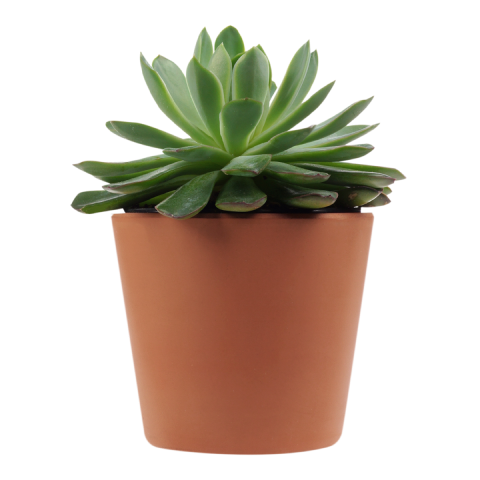
6. Indoor Plants for a Greener Home
Indoor plants not only enhance the aesthetic appeal of your home but also improve air quality. Some popular, low-maintenance options include:
- Snake Plant: Known for its air-purifying qualities and ability to thrive in low light.
- Spider Plant: Easy to care for and effective at removing indoor pollutants.
- Aloe Vera: Offers both air purification and medicinal benefits.
7. Support Local Artisans and Eco-Friendly Brands
Supporting local artisans and eco-friendly brands contributes to sustainable practices. Local products often have a smaller carbon footprint due to reduced transportation needs, and artisans typically use sustainable materials and methods. Additionally, purchasing from eco-friendly brands signals to the market that there is a demand for sustainable products.
Embracing Sustainable Home Decoration
Embracing sustainable home decoration is a meaningful way to contribute to environmental conservation. By decluttering, shopping secondhand, upcycling, choosing sustainable materials, and supporting eco-friendly brands, you can create a beautiful, personalized space that reflects your commitment to a greener lifestyle. The process doesn’t have to be overwhelming; start small and make incremental changes. Remember, every sustainable choice you make contributes to a healthier planet.
Karrot, with its community-based marketplace, offers an excellent platform for buying and selling secondhand items, making it easier to integrate sustainable practices into your home decor. By prioritizing sustainability in our homes, we can set an example and inspire others to join the movement towards a more eco-friendly future.
Related Articles