Homeschooling offers a personalized and flexible education experience for children, but it also comes with the challenge of keeping supplies organized. From textbooks and workbooks to art supplies and science kits, the accumulation of materials can quickly become overwhelming. Fortunately, there are effective and eco-friendly ways to manage homeschool supplies using secondhand resources.
Key Takeaways
- Explore practical storage solutions for organizing homeschool supplies.
- Discover eco-friendly organization tips.
- Learn how secondhand items can be used effectively in homeschooling.
Practical Storage Solutions
1. Shelving Units and Bookcases
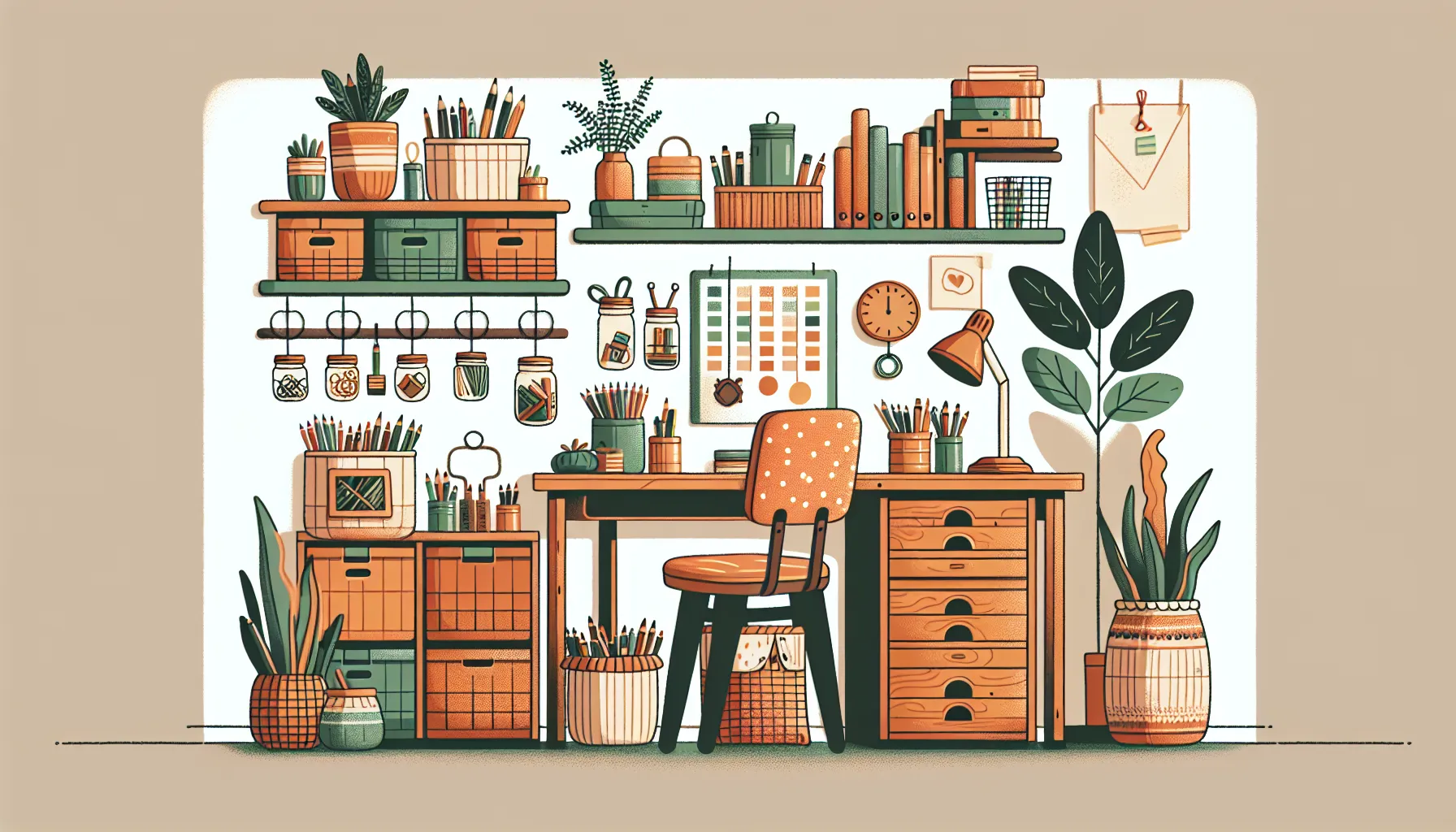
Shelving units and bookcases are essential for storing textbooks, workbooks, and other educational materials. Opting for secondhand shelves can be both cost-effective and environmentally friendly. Websites like Karrot Market offer a variety of pre-loved furniture items that can help you set up a functional homeschool space without breaking the bank.
2. Storage Bins and Baskets
Storage bins and baskets are versatile tools for organizing smaller items such as art supplies, science kits, and manipulatives. Consider using secondhand bins and baskets that you can find at thrift stores or online marketplaces. Label each bin to make it easy for your child to find and put away their supplies.
3. Rolling Carts
Rolling carts provide mobile storage solutions that can be moved around the house as needed. They are perfect for keeping frequently used items within reach and can be easily tucked away when not in use. Look for secondhand rolling carts to save money and reduce waste.
4. File Cabinets and Drawers
File cabinets and drawers are excellent for organizing papers, worksheets, and other important documents. They help keep everything in one place and make it easier to find what you need. You can often find secondhand file cabinets at office supply stores or online marketplaces like Karrot Market.
5. Pegboards and Wall Organizers
Pegboards and wall organizers are great for maximizing vertical space. They can be used to hang tools, supplies, and even educational posters. Secondhand pegboards and wall organizers can often be found at garage sales or online.
Eco-Friendly Organization Tips
1. Repurpose Household Items
Before buying new storage solutions, look around your home for items that can be repurposed. For example, mason jars can be used to store pens and pencils, while old shoe boxes can be decorated and used to store smaller items.
2. Use Recycled Materials
Consider using recycled materials for organization. For instance, cardboard boxes can be cut and used as dividers within drawers or bins. This not only helps the environment but also provides a cost-effective solution.
3. Donate or Sell Unused Items
As your child progresses through their homeschool journey, they may outgrow certain supplies. Instead of letting these items clutter your space, consider donating or selling them. This not only helps other homeschooling families but also promotes a circular economy.
4. Choose Sustainable Products
When purchasing new items, opt for sustainable products made from eco-friendly materials. Look for items that are durable and can be used for multiple purposes to reduce waste.
5. Minimize Plastic Use
Try to minimize the use of plastic in your homeschool organization. Opt for wooden or metal storage solutions whenever possible. These materials are more sustainable and often more durable than plastic alternatives.
Secondhand Homeschool Resources
1. Textbooks and Workbooks
One of the biggest expenses in homeschooling can be textbooks and workbooks. Fortunately, these can often be found secondhand. Websites like Karrot Market offer a wide selection of gently used educational materials at a fraction of the cost of new ones.
2. Educational Games and Toys
Educational games and toys are great tools for hands-on learning, but they can be expensive when purchased new. Look for secondhand options to save money and reduce waste. Many online marketplaces and thrift stores have a variety of educational games and toys in good condition.
3. Art Supplies
Art supplies can quickly add up, especially if your child is particularly creative. Look for secondhand art supplies such as crayons, markers, and paint. You can often find these items at garage sales or online marketplaces.
4. Science Kits and Equipment
Science kits and equipment can be expensive, but they are essential for hands-on learning. Consider purchasing secondhand science kits and equipment to save money. Websites like Karrot Market often have a variety of gently used science kits and equipment available.
5. Furniture and Desks
Creating a dedicated homeschool space can help your child focus and stay organized. Look for secondhand furniture and desks to set up a functional and comfortable learning environment. Online marketplaces and thrift stores are great places to find affordable, gently used furniture.
FAQs About Storage Solutions for Homeschool Supplies
How can I keep my homeschool supplies organized?
To keep homeschool supplies organized, use shelving units, storage bins, rolling carts, file cabinets, and wall organizers. Label each storage container to make it easy to find and put away items.
What are some eco-friendly organization tips?
Eco-friendly organization tips include repurposing household items, using recycled materials, donating or selling unused items, choosing sustainable products, and minimizing plastic use.
Where can I find secondhand homeschool supplies?
Secondhand homeschool supplies can be found on online marketplaces like Karrot Market, thrift stores, garage sales, and office supply stores.
How can I create a dedicated homeschool space on a budget?
To create a dedicated homeschool space on a budget, look for secondhand furniture and desks, use repurposed household items for storage, and shop for gently used educational materials and supplies.
What are the benefits of using secondhand homeschool supplies?
Using secondhand homeschool supplies is cost-effective, environmentally friendly, and promotes a circular economy. It also allows you to access a wider variety of materials without breaking the bank.
Related Articles
By implementing these storage solutions and eco-friendly tips, you can create an organized and sustainable homeschool environment that fosters learning and creativity. Happy homeschooling!